
Moving From Kenya to Sweden as an international student | It’s Easier than You Think.
Settling in, my First 2 weeks.
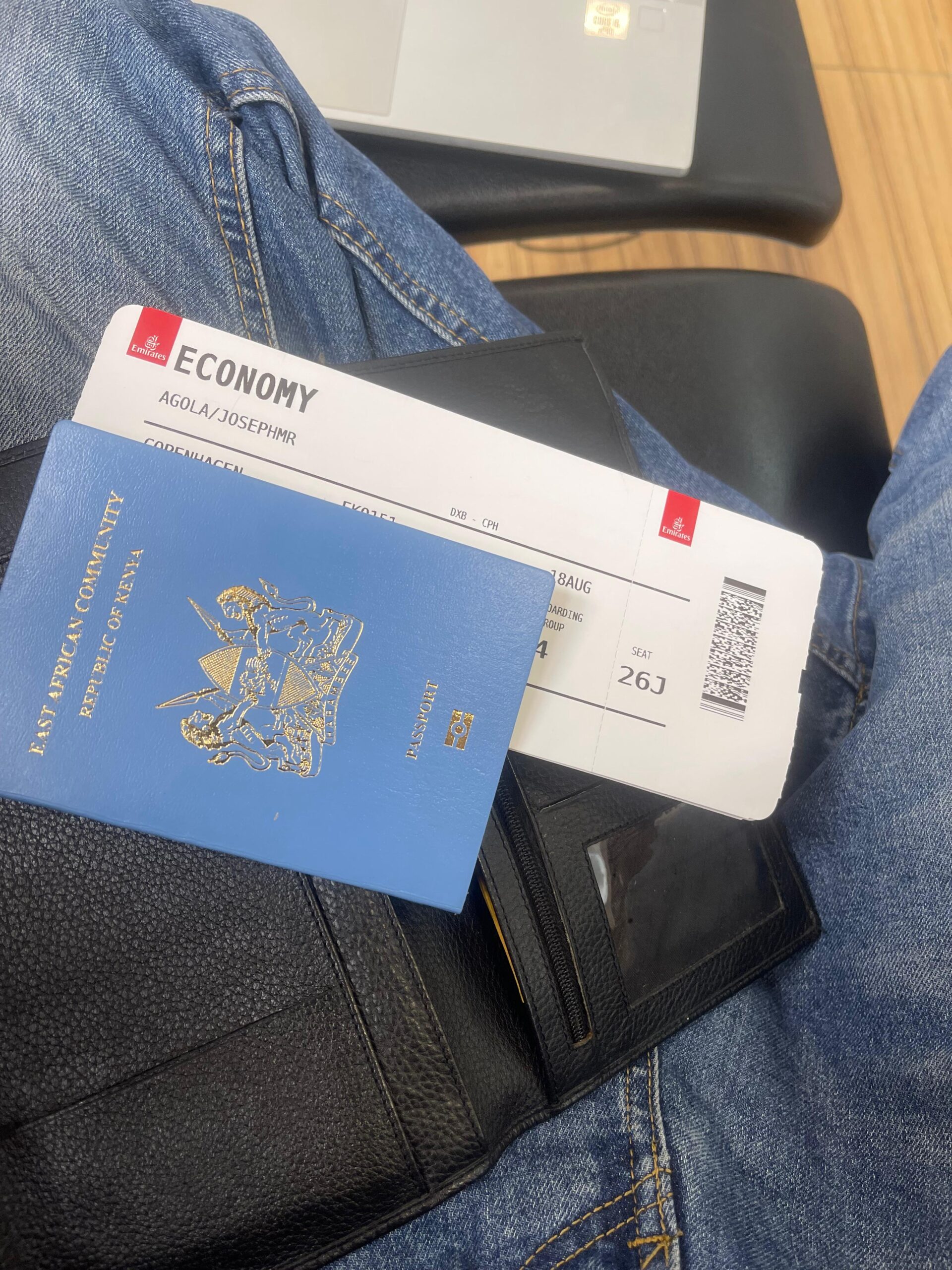
I left Kenya for Malmö, Sweden, on the 18th of August 2026. My university’s buddy program had already mapped out my orientation schedule — 19th to 30th August — so I knew, at least on paper, what the coming weeks would look like.
What I didn’t know was how much of it would happen off the paper.
If you’re an international student getting ready to make this same move, this is the version of “settling in” that nobody puts in the welcome brochure. Not the polished checklist — the real, occasionally chaotic, ultimately worth-it first few weeks

Leaving Home
The plan was simple: fly into Copenhagen and take the train to Malmö, since that’s the easiest route in. My Aunt was scheduled to pick me up on arrival. I landed, cleared customs, and stepped out — and that’s when reality started to sink in. You’re away from family now. You can’t just pick up the phone and call.
If there’s one piece of advice I’d give anyone making this move, it’s this: always travel with an e-SIM. The first hours in a new country are exactly when you need to be reachable — don’t leave that to chance.
First Contact: Malmö Central Station
Thankfully, Malmö Central Station has free WiFi, and WhatsApp became my lifeline. I messaged my aunt, It turns out she was away in Stockholm at the time, and together we figured out the easiest option — she checked me into Toarp Inn in Oxie for the night.
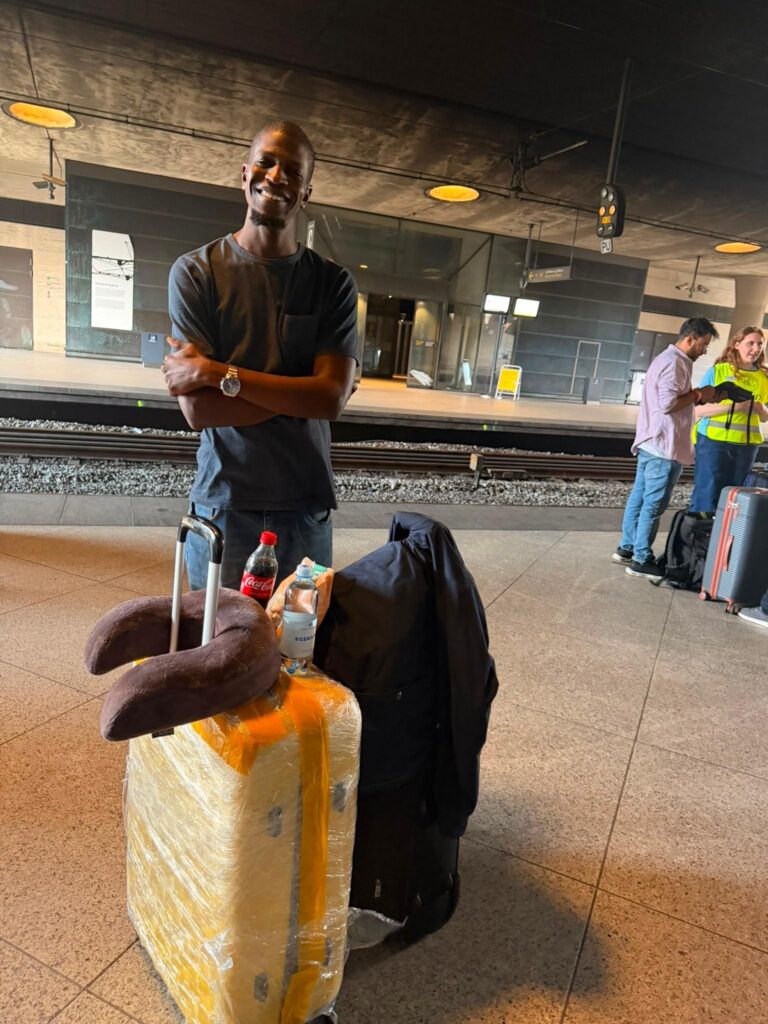
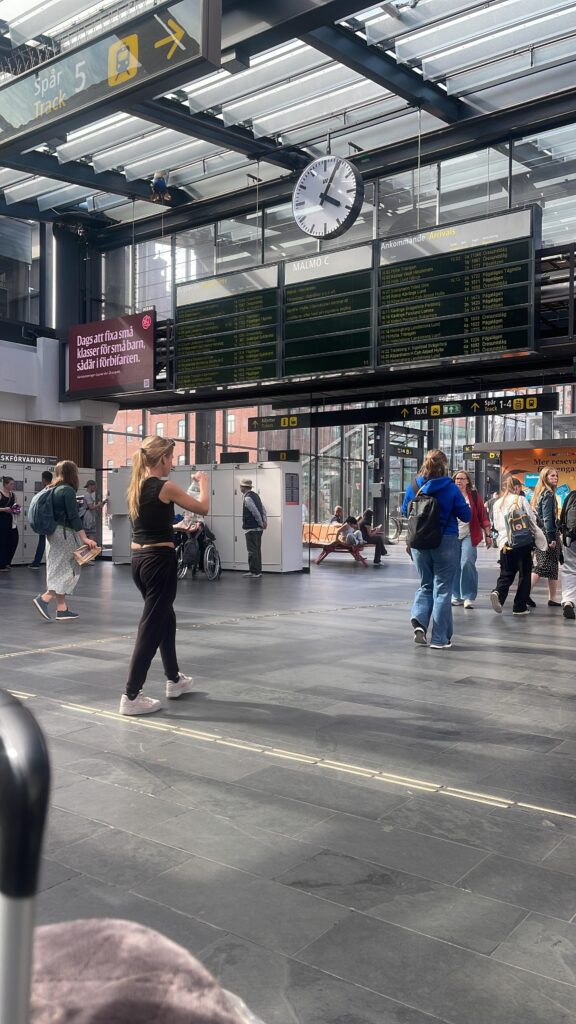
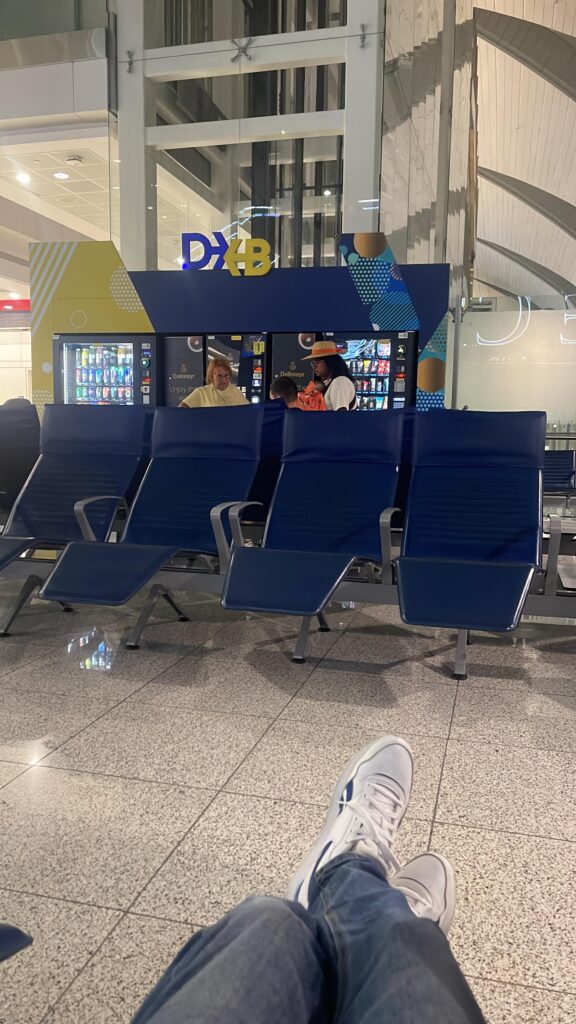
I slept, and the next day I had to figure out how to get to school on my own
The Bike, Oxie, and Kind Strangers
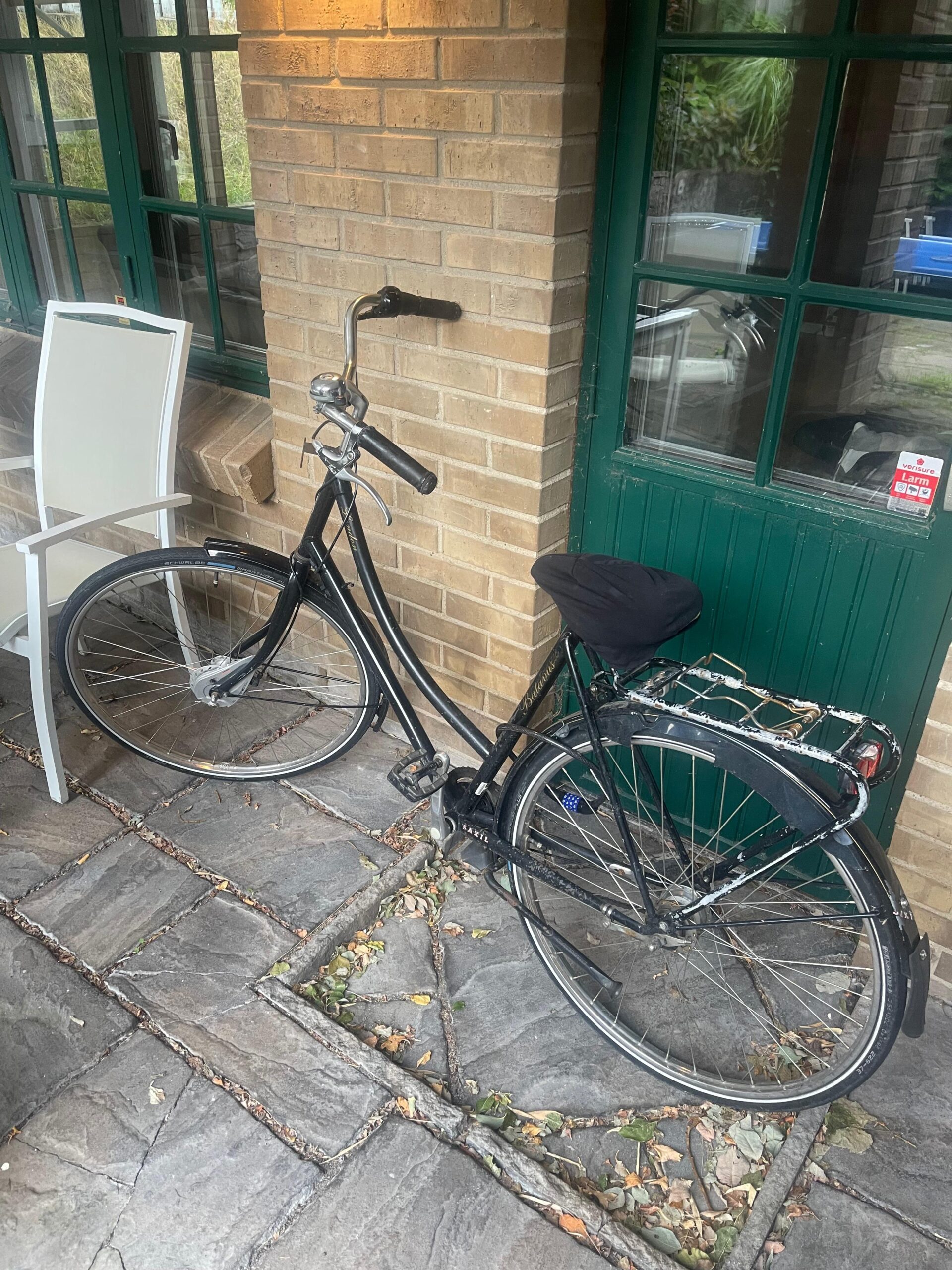
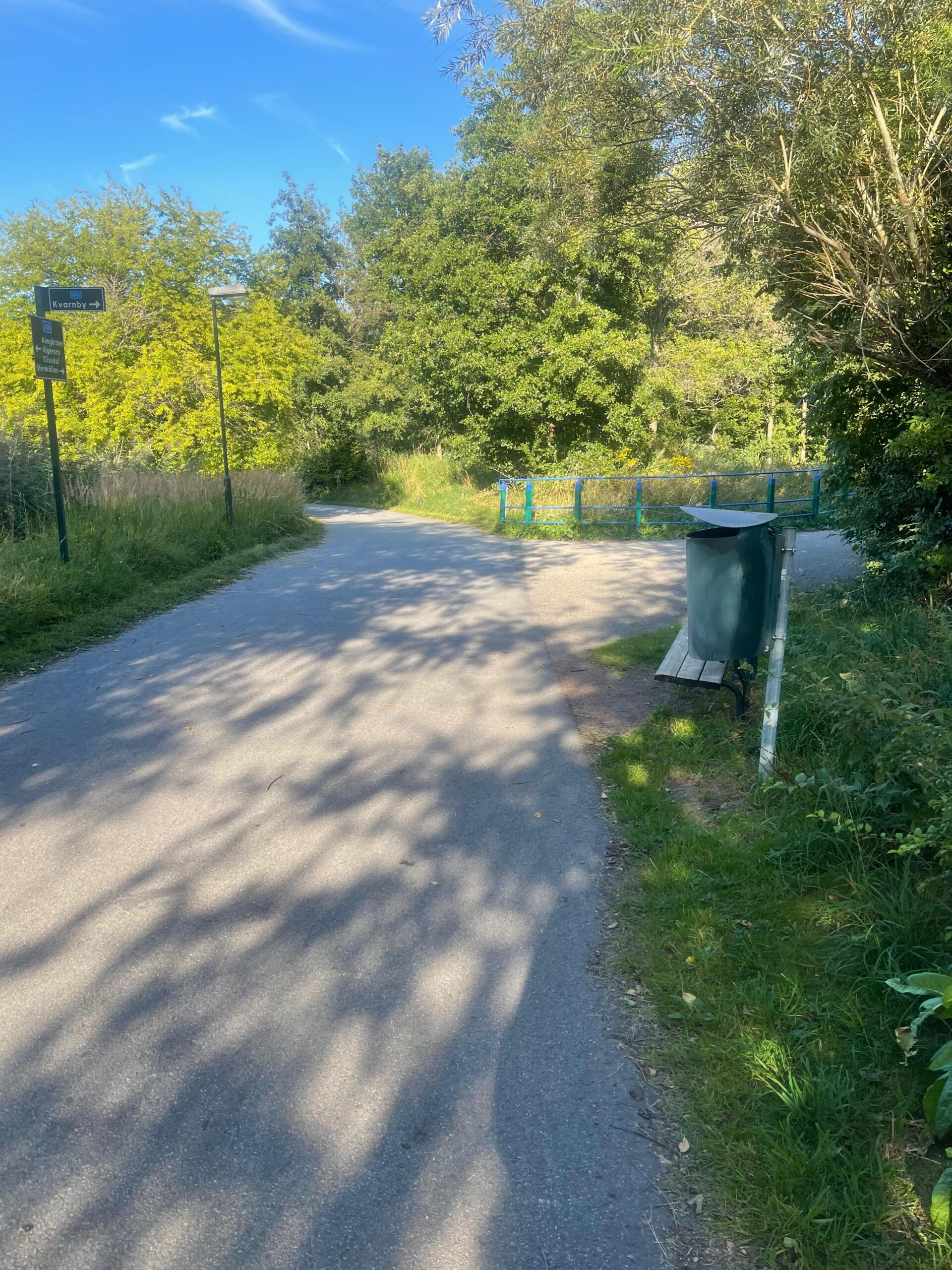
Luck was on my side. The owner of Toarp Inn lent me his bike for the duration of my stay and personally showed me how to get to school.
I cycled to Oxie station, locked up the bike, and had no idea how to buy a train ticket. I asked. The people around me were so patient and helpful that it set the tone for everything after — I’ve since learned that in Malmö, people genuinely want to help, as long as you’re willing to ask.
From Malmö C, I followed Google Maps on foot to Malmö University’s Orkanen building. School had officially begun — at least, orientation had.
Day One: Fika and First Friends
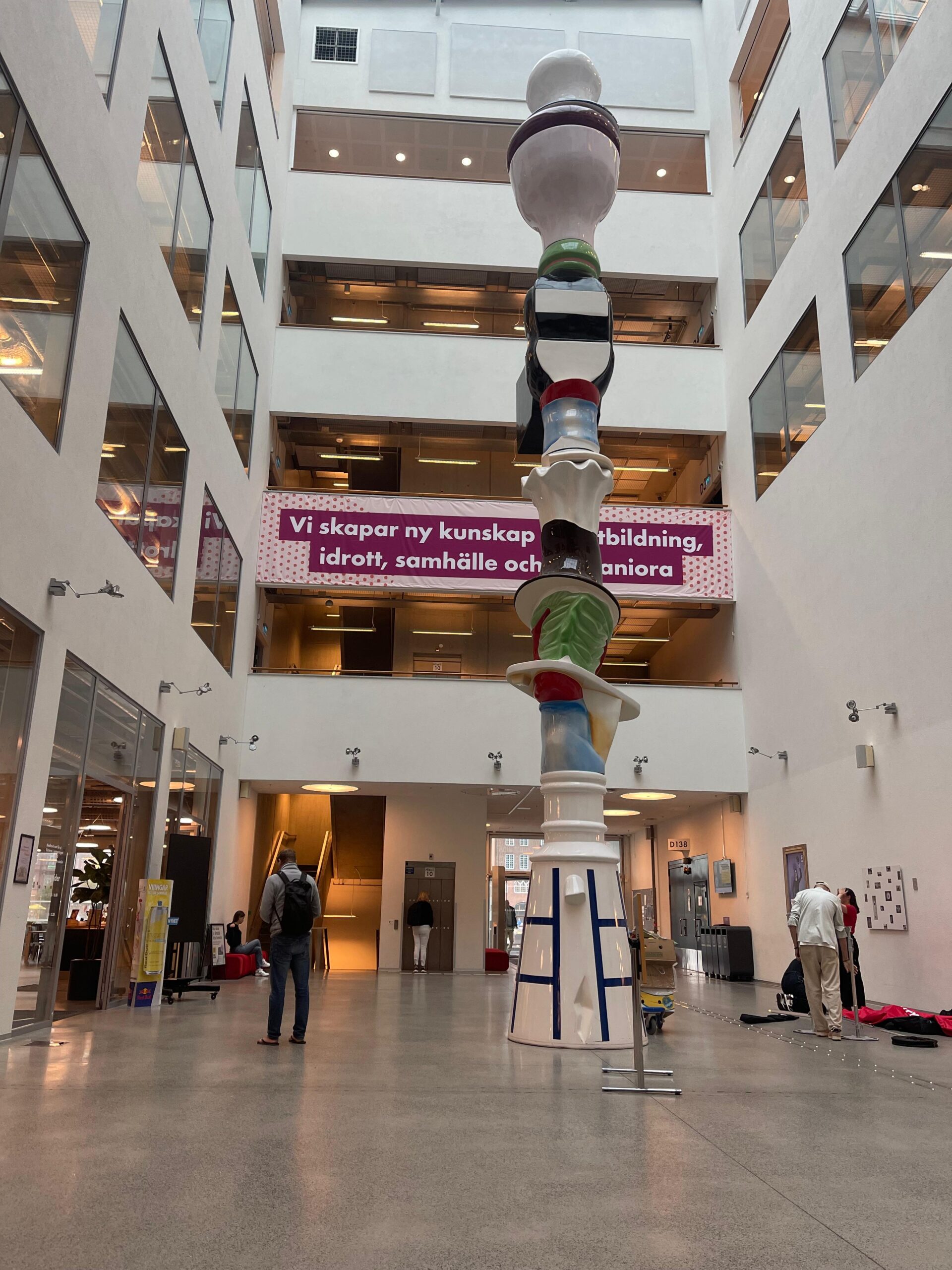
Day one opened with fika — Sweden’s coffee tradition, and a serious one at that. For an introvert, walking into a room full of strangers with no obvious way to start a conversation is genuinely hard. But at some point, you just have to start.
The day continued with a welcome meeting in the hall, a library tour, and beach volleyball — although the wind had other plans and volleyball never happened. By the end of the day, though, I’d made a friend. That counted for a lot.
Day Two: The City Tour
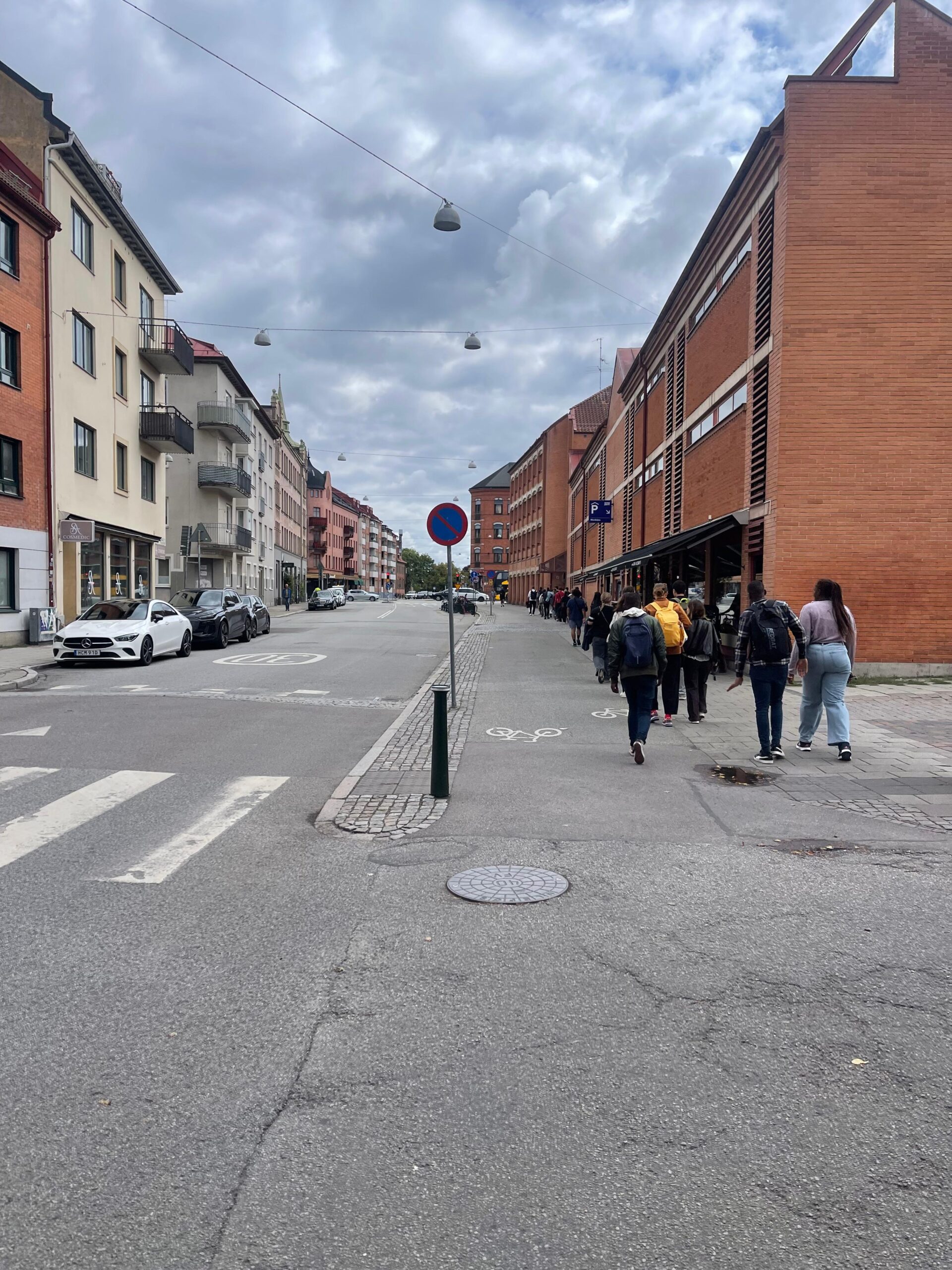
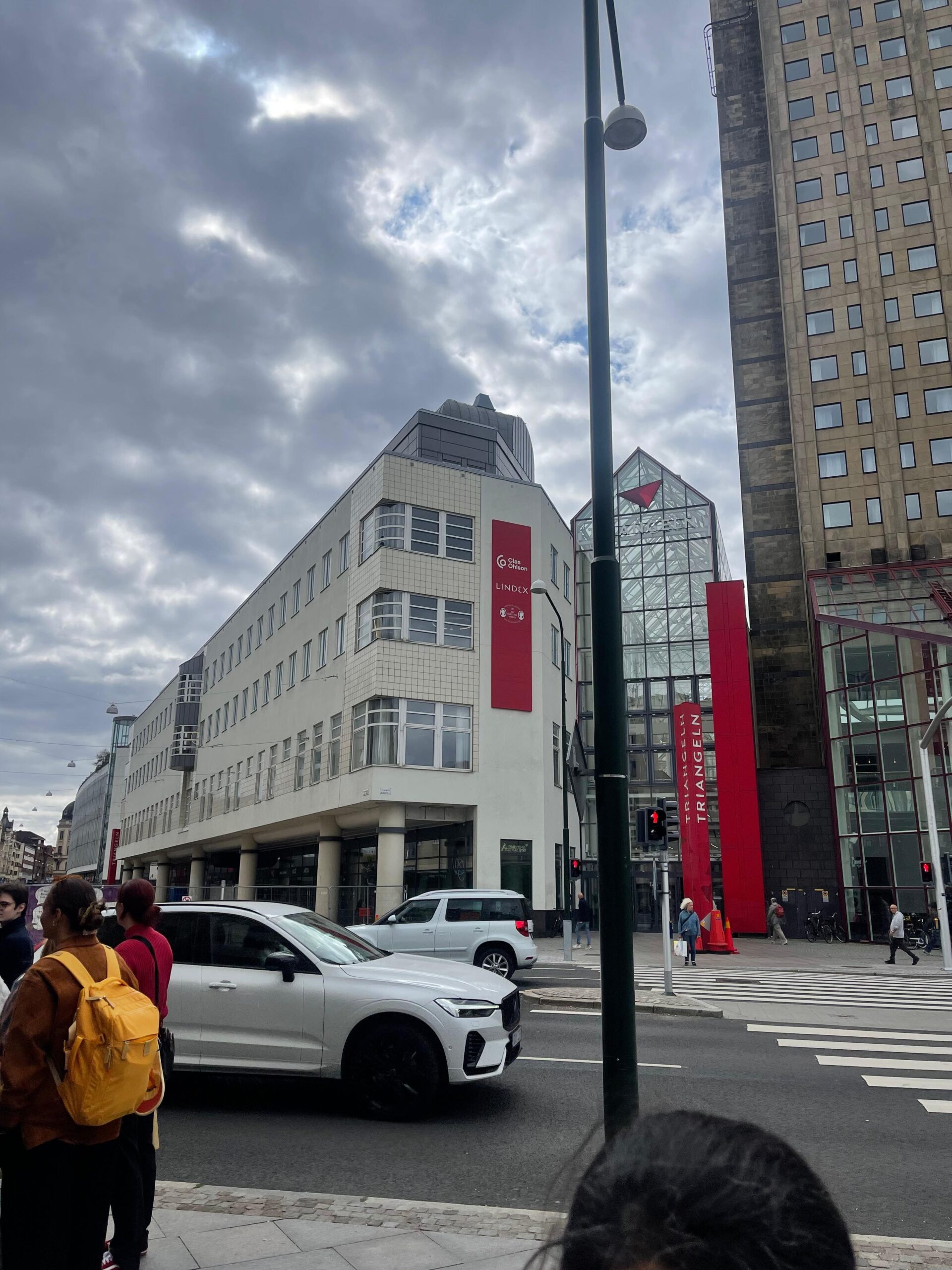
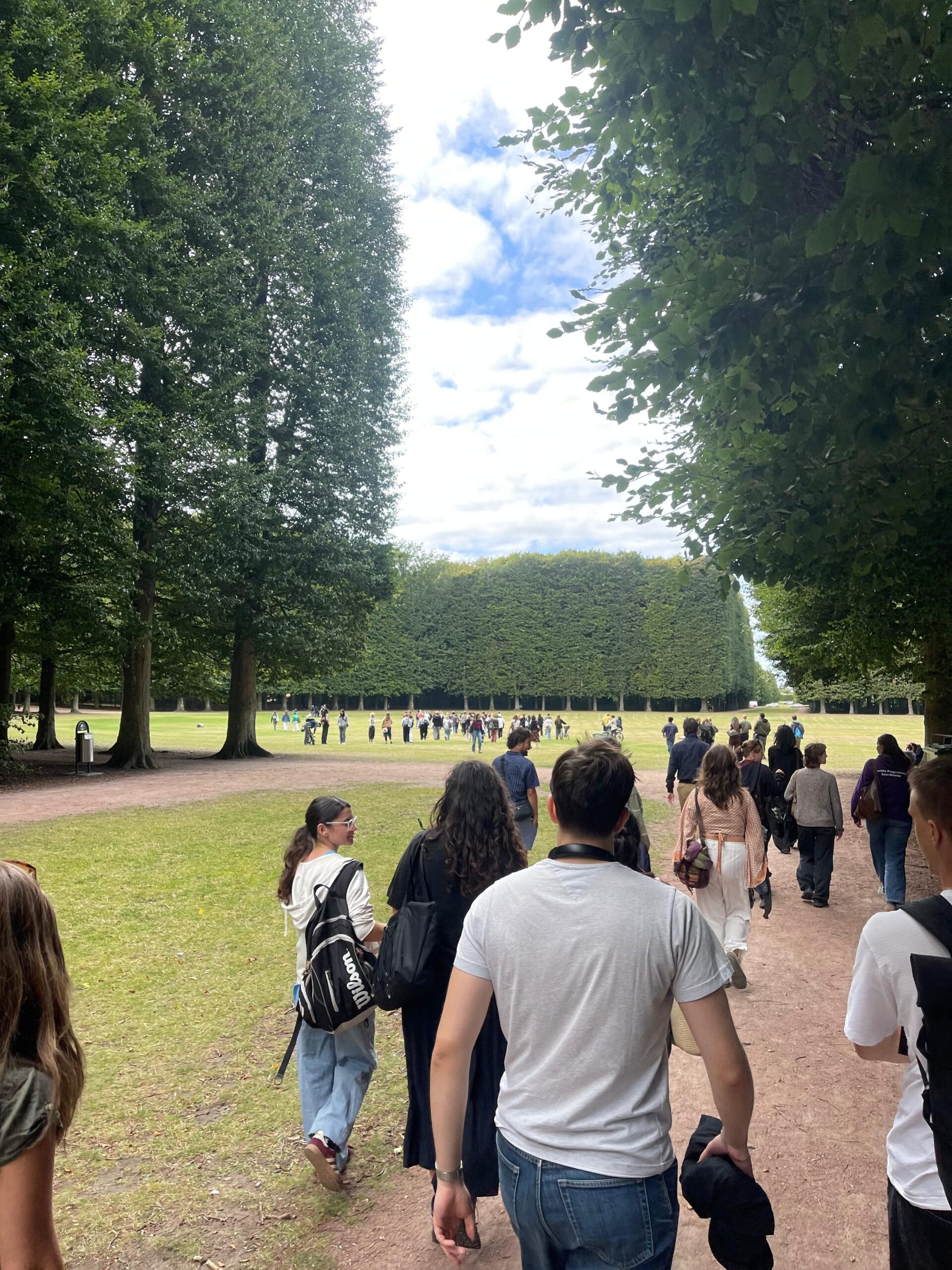
Day two was a city tour of Malmö, and this time I made two new friends. We walked together, comparing notes on our home countries and how the move had been treating us so far.
The tour ended at Tallriken, where we played games in groups of five — another built-in excuse to meet more people.
Day Three: Alone at the Beach BBQ
By day three, tiredness had caught up with me. The commute from Malmö city centre back to Oxie was starting to wear on me, but staying alone in the hotel all day felt worse, so I kept showing up.
That evening was a beach BBQ, 6 to 8pm. I pushed myself to go, but by then most people had already settled into their own little groups — including the friends I’d made earlier. I ended up sitting alone by the beach, just taking in the view.
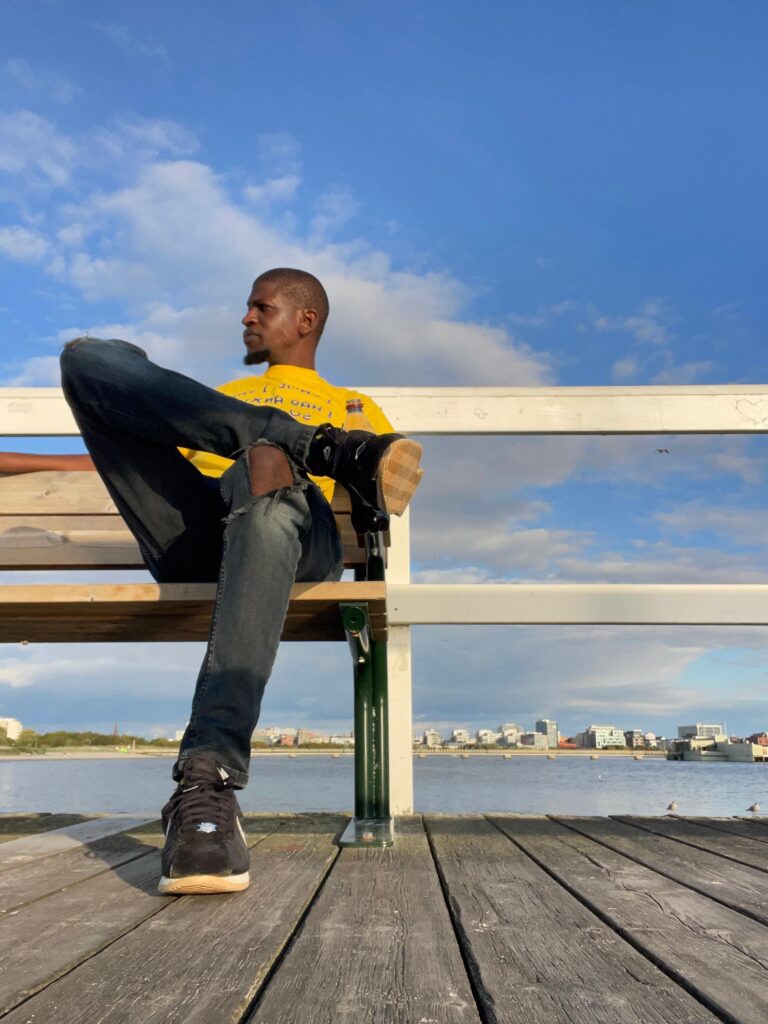

Then, unexpectedly, another student walked over and started a conversation. It turned out we’d be in the same class.
That moment mattered more than I expected. I was starting to appreciate that I’d left the house after all. The day ended with me having eaten very many hotdogs and a walk home to sleep — a quiet win.

The Quiet Days
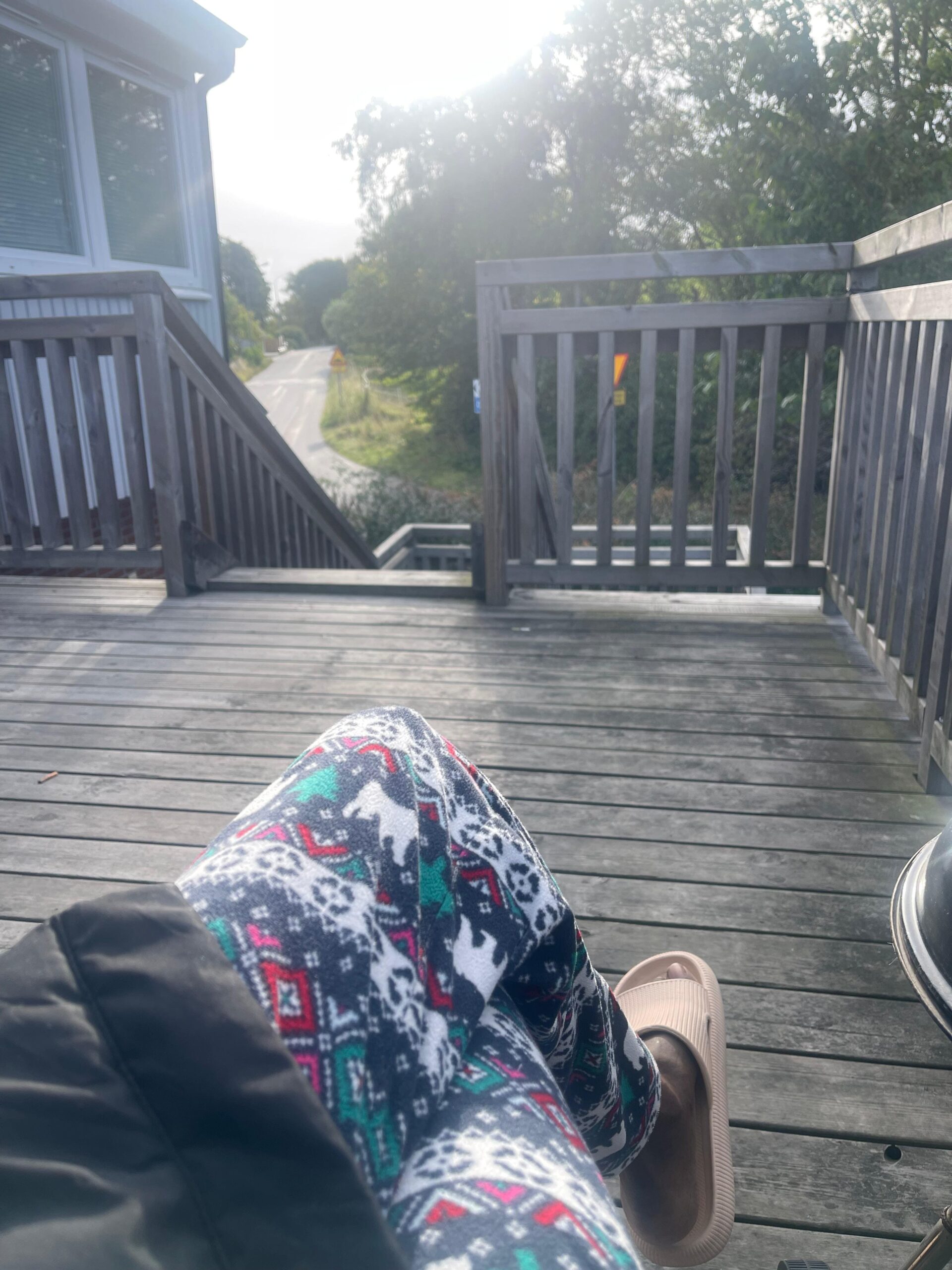
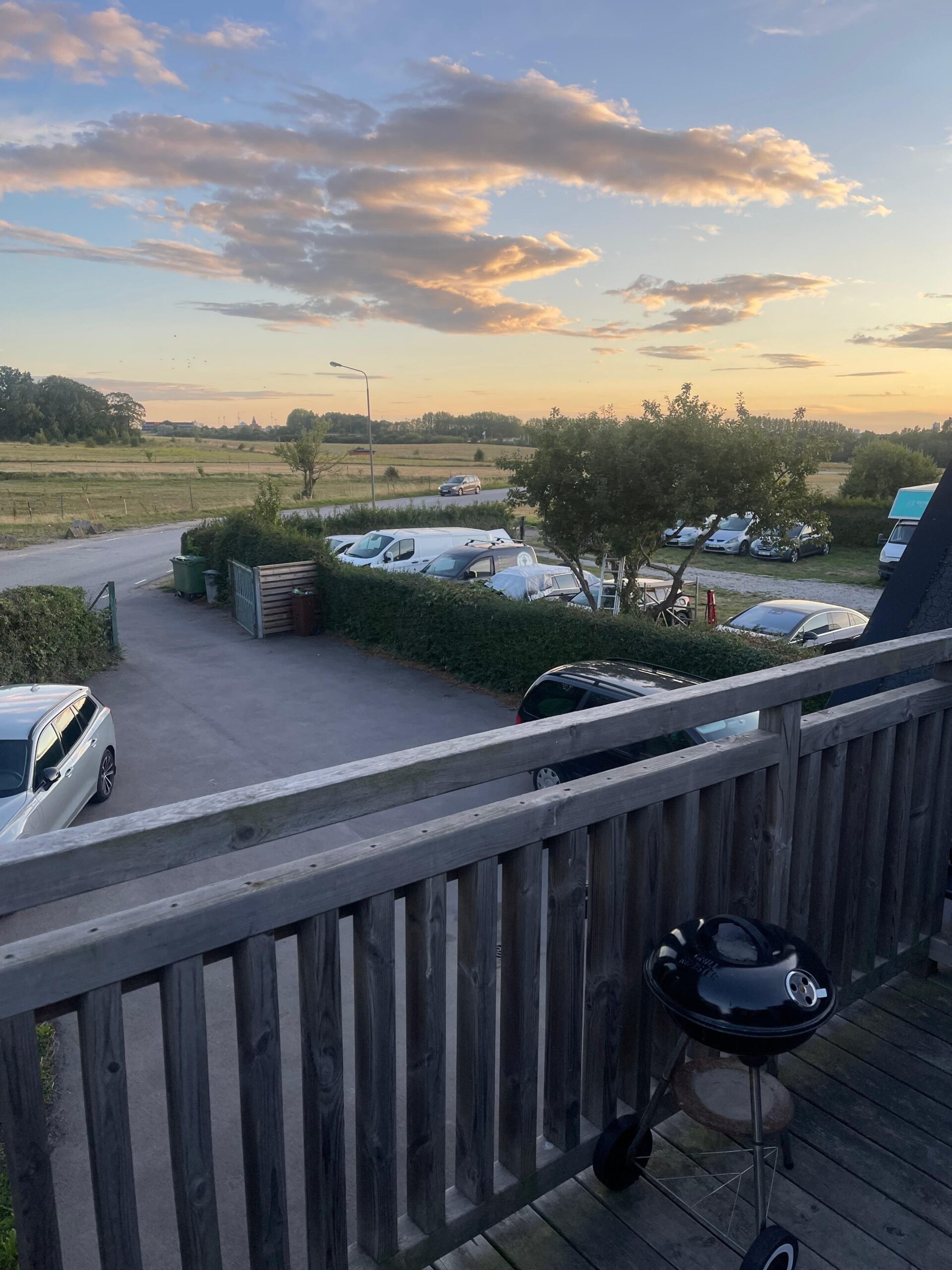
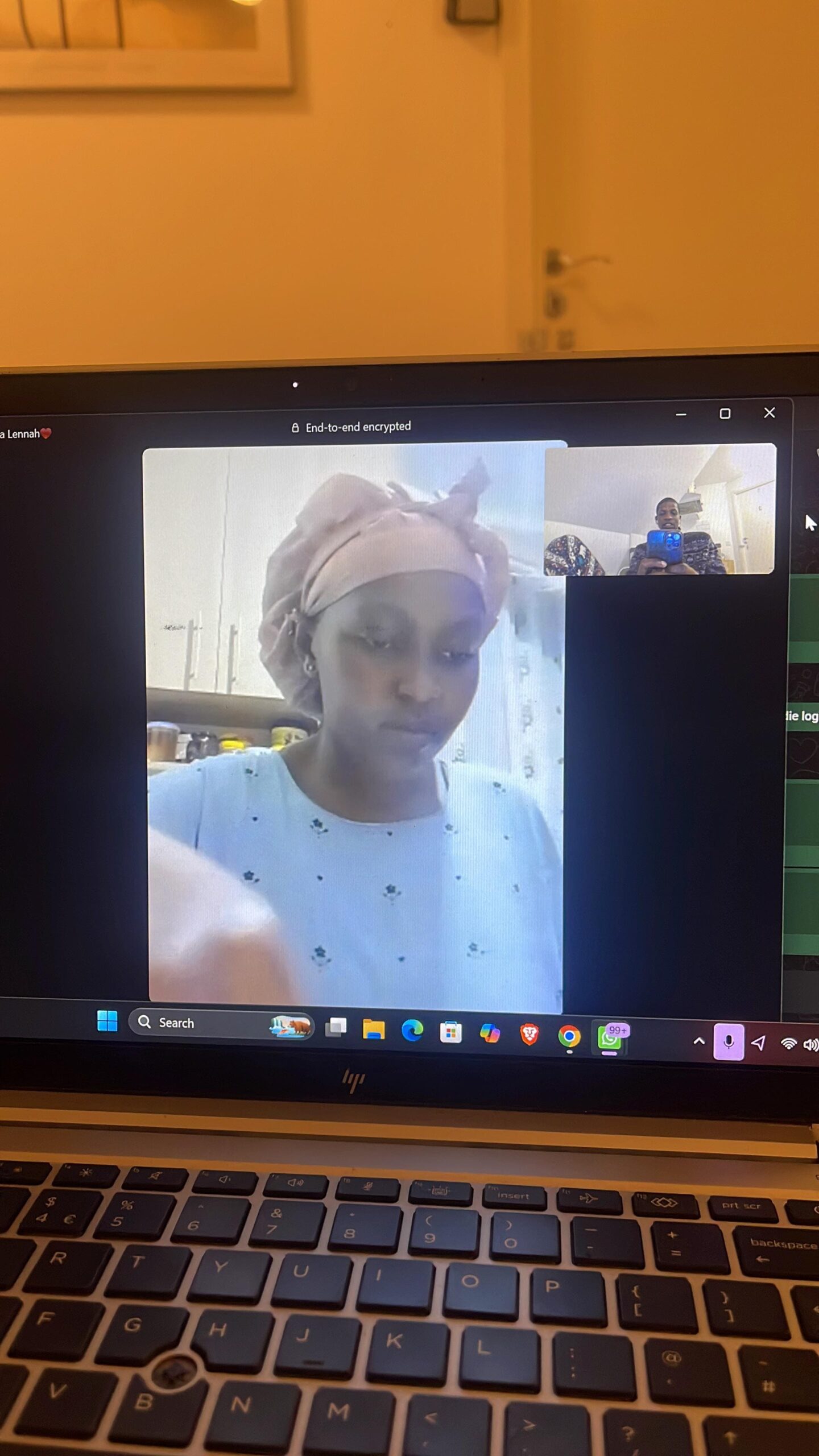
The weekend that followed was harder. I stayed indoors, and the loneliness crept back in. Most of my time was spent on video calls with my girlfriend back home, holding onto something familiar while everything else was new.
If you’re reading this before your own move: expect a day like this. It doesn’t mean something is wrong. It just means you’re adjusting.
The Move to Husievägen
Then came a financial reality check — the self check-in hotel was getting expensive, and I had to move. Monday morning, I got an Uber to Husievägen 100, a shared accommodation that turned out to be a decent option. Getting there, though, was rough. The driver barely spoke English, I barely spoke Swedish, and Uber Maps insisted we’d arrived at a place that simply wasn’t visible from where we stood.
I was dropped off on the roadside with two suitcases, in a place I didn’t know, and I nearly cried. As I walked, trying to make sense of where I was, I came across someone tending flowers in a cemetery. He didn’t just point me in the right direction — he drove me straight to the accommodation.
The catch: I still had to be in school that same Monday. Week two of orientation was the “newbie language café,” a half day of basic Swedish lessons. I was exhausted before it even started, but I made peace with it, calmed myself down, and went anyway.
Learning to Navigate — For Real This Time
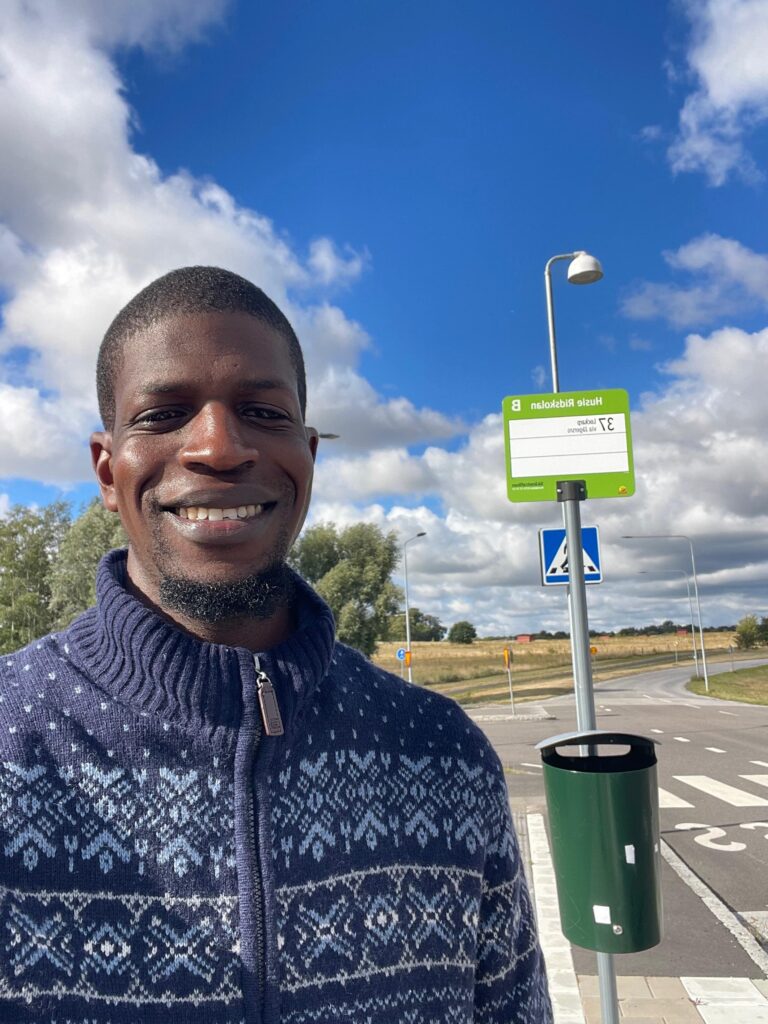
Husie is a different world from Oxie. There’s no direct train, only buses, and during orientation I was introduced to Skånetrafiken, the transport app that maps your entire route — house to nearest stop, bus changes, all the way to your destination. It became essential.
A single adult ticket costs 32 SEK and is valid for 60 minutes, which adds up fast if you’re commuting daily. A 30-day pass costs 327.50 SEK — but with a verified student ID in the app at the time of purchase, it drops to 245.63 SEK. If you’re a student in Malmö, this is the option worth setting up from week one. (Fares are current as of publishing — always confirm the latest pricing in the Skånetrafiken app before you buy, since prices can change.)
Settling Into the System
The final week of orientation was about integration — applying for a school ID, getting IT support to register for courses and timetables before term even started. We also heard from immigrant entrepreneurs who’d built their own businesses in Sweden and were genuinely thriving — a reminder of what’s possible on the other side of this adjustment period.
Over those two weeks, I also got a Swedish SIM card registered, started the process for a Swedish personal number — the personnummer, which unlocks the tax system, banking, and more — and even found stores stocking food from home.
(Personnummer application requirements and timelines vary depending on your residence permit type — check the current process directly with Skatteverket or Migrationsverket before you arrive, since this changes periodically.)
Finding Home
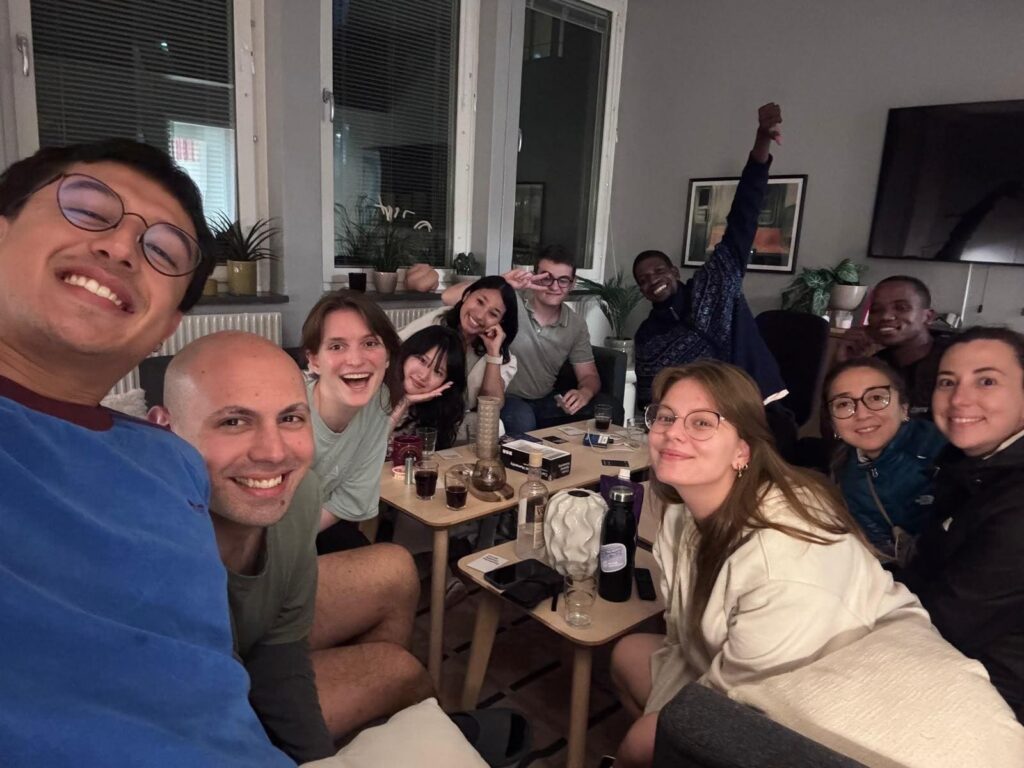
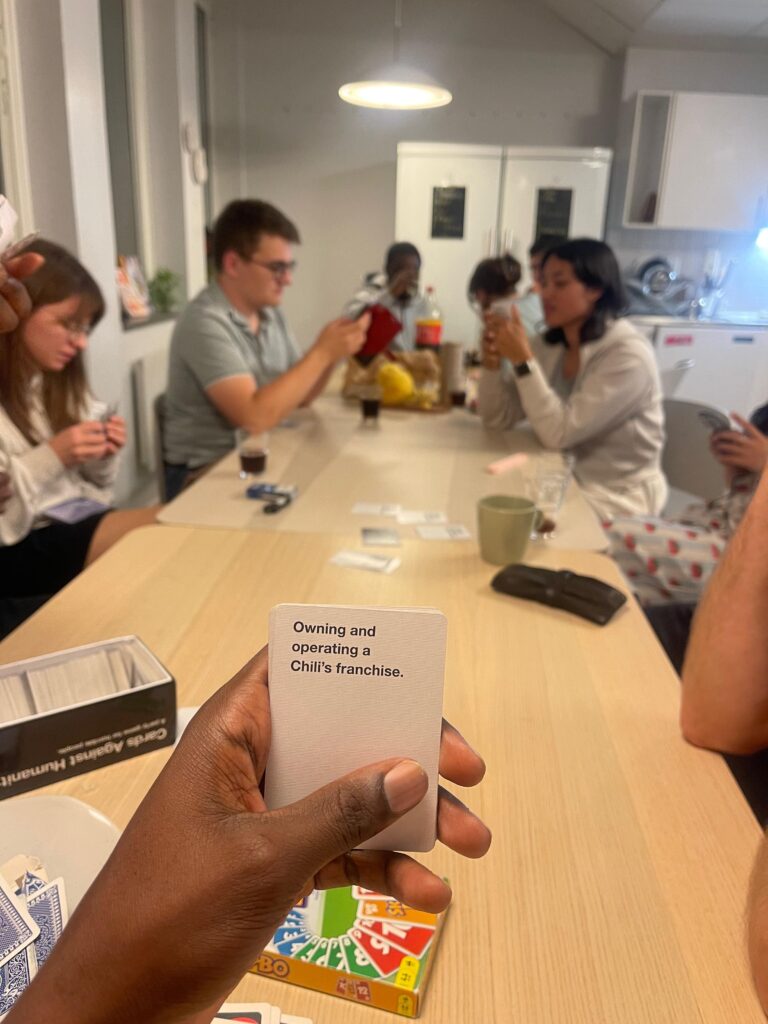
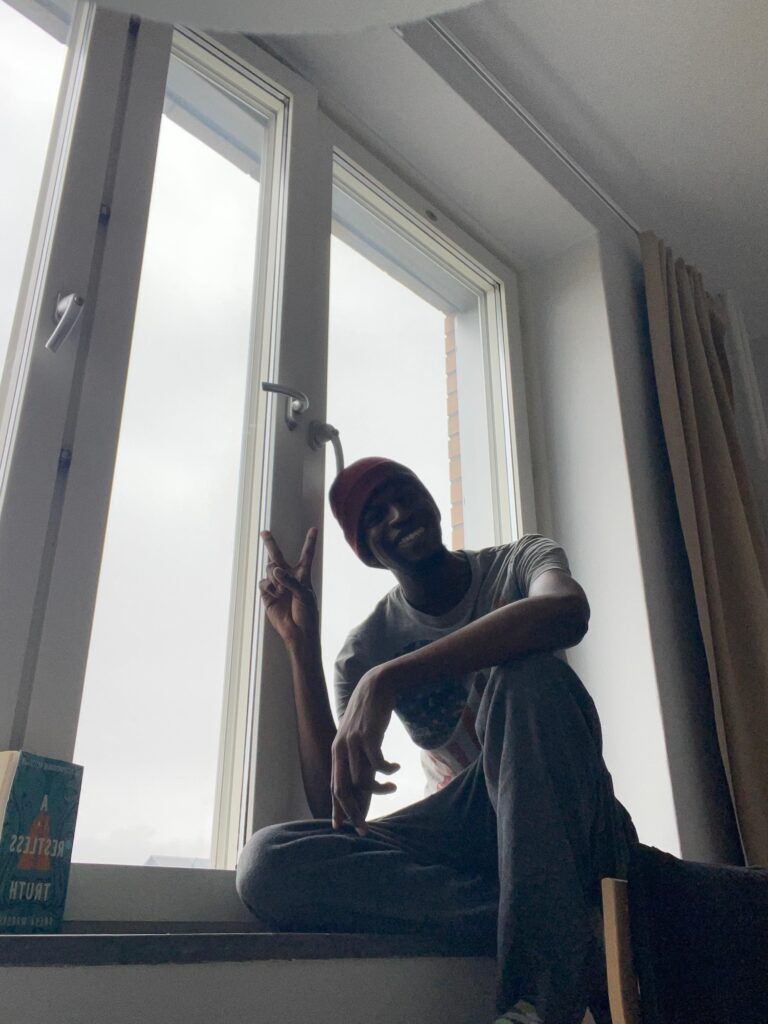
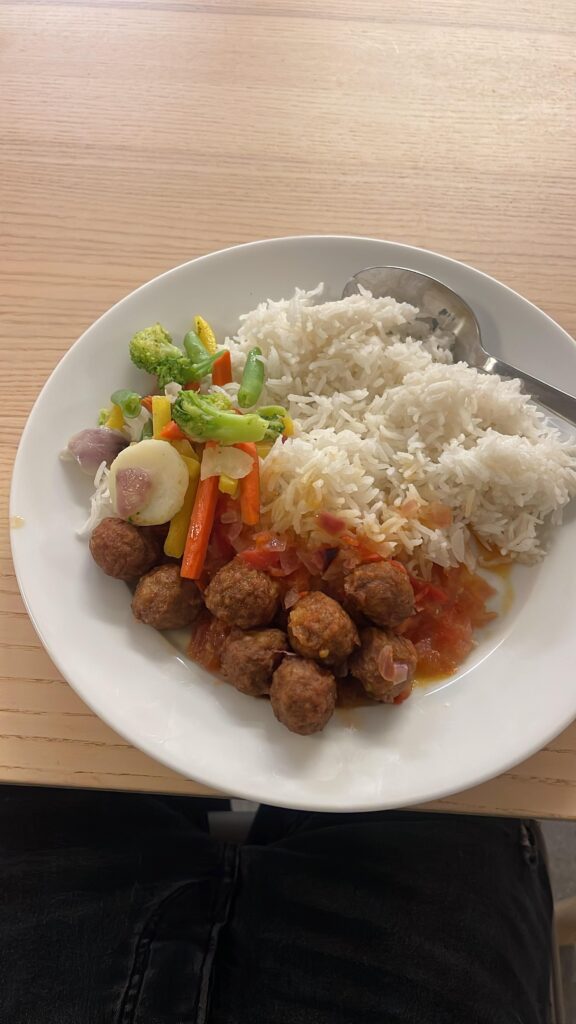
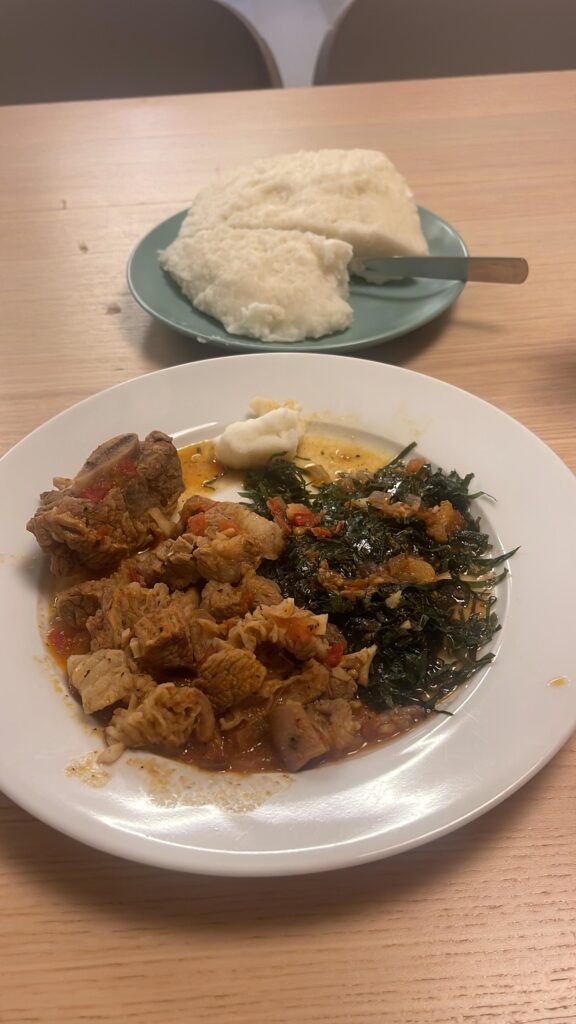
On the 1st of September, I moved out of shared accommodation and into my own apartment in the student hostels. The welcome was warm — with so many nationalities living side by side, there’s always something to talk about, and everything just felt like it was falling into place.
School has started. I’m ready. And for the first time since landing in Copenhagen, it feels like I’ve found a new home
Quick Reference: First-Weeks Checklist for New International Students in Sweden
Task Why it Matters
FAQ
Do I need to speak Swedish to get around Malmö at first?
No — most people, especially students and university staff, speak English well. Basic Swedish helps with things like public transport ticket machines and daily errands, but it’s not a barrier to arrival.
How long does it take to feel settled?
Everyone’s timeline is different. For me, it took about two weeks of orientation plus the move into permanent housing before things started to feel normal — and even then, there were still quiet, lonely days mixed in.
Is it normal to feel lonely even while making friends?
Yes. Making friends during orientation week doesn’t erase the adjustment period. Both things can be true at once, and that’s a completely normal part of moving somewhere new.
Final Thought
If you’re about to make this same move — from Kenya, or anywhere else — know this: the first weeks won’t look like your itinerary says they will. There will be a stranger who helps you buy a ticket, a night you sit alone by the beach, and eventually, a room full of floor mates who feel like home. Keep showing up.
Thinking about studying abroad, or already navigating your first weeks in a new country, reach out to LearnAbroad, they were helpful and professional in most of the handling before I left for Sweden\.





 Liberty LearnAbroad Immigration Services